The First Step to Leading Like a Director
Strategize Like a Director
Hi there,
As the international education market shifts, it’s easy to feel buried under urgent tasks. Being a director isn’t just about doing more—it’s about thinking differently. When I was juggling 100+ students without clear schedules and multiple events, I felt like a manager: reacting, not designing. That changed the day I built a simple mail‑merge system that automatically created each student’s CCA schedule. It wasn’t fancy—but it saved hours and changed how I saw myself. Suddenly, I wasn’t surviving, I was building.
Here’s what that first system unlocked:
- Confidence: Once you design a solution, you know you can do it again.
- Momentum: One working system begets another. Your brain starts spotting patterns.
- Identity: You move from a reactive operator to a solutions builder.
- Clarity for your team: Clear structures let people act without waiting for you.
Two simple frameworks helped me build that first system:
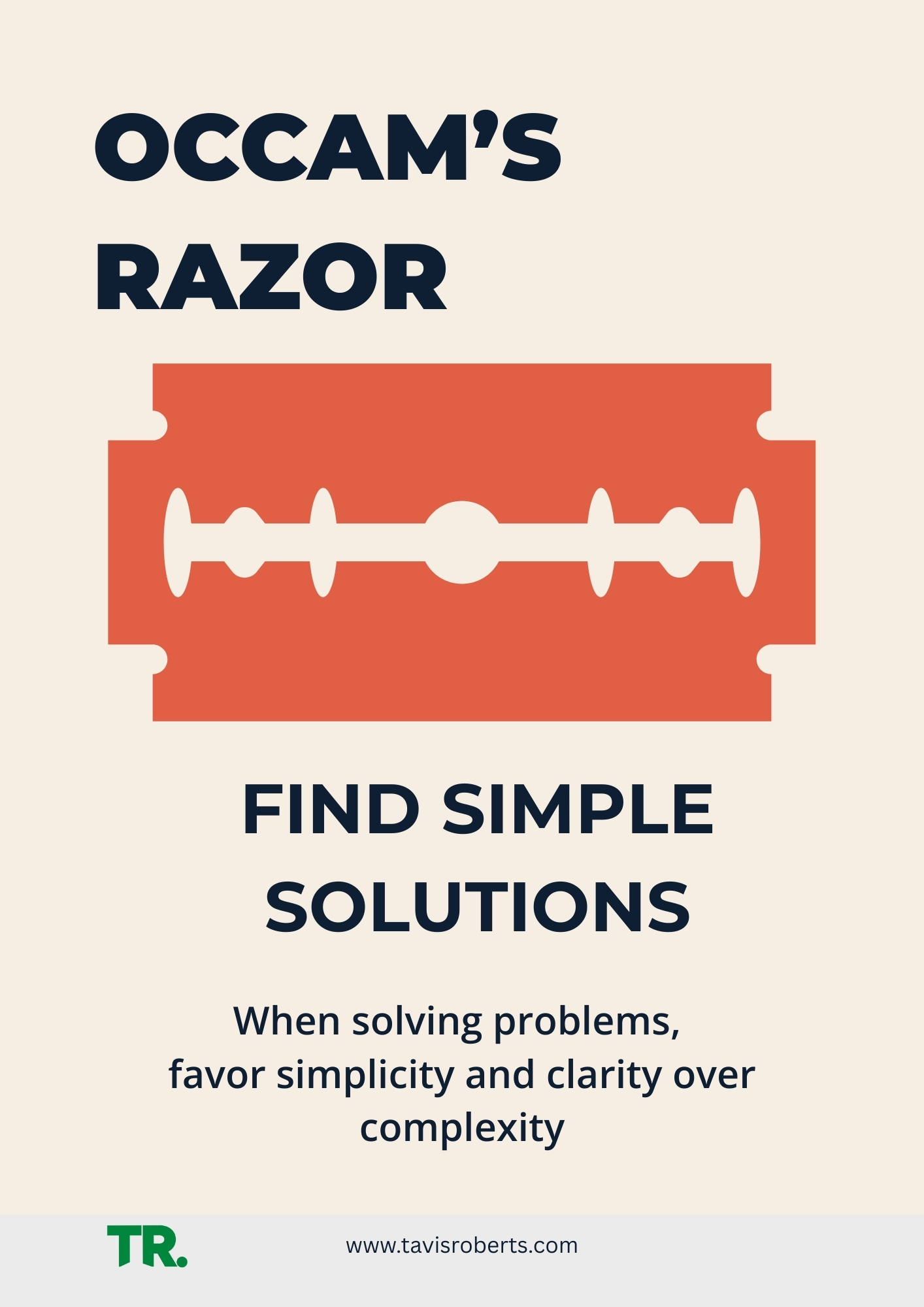
🧠 Mental Model 1: Occam’s Razor
The simplest solution is often the best.
When you’re drowning in options, strip away complexity. Ask: What would this look like if it were easy? Instead of buying expensive software, I used Google Sheets and a mail merge—and it worked. Start with the simplest path to your outcome; you’ll be surprised how often it’s enough.
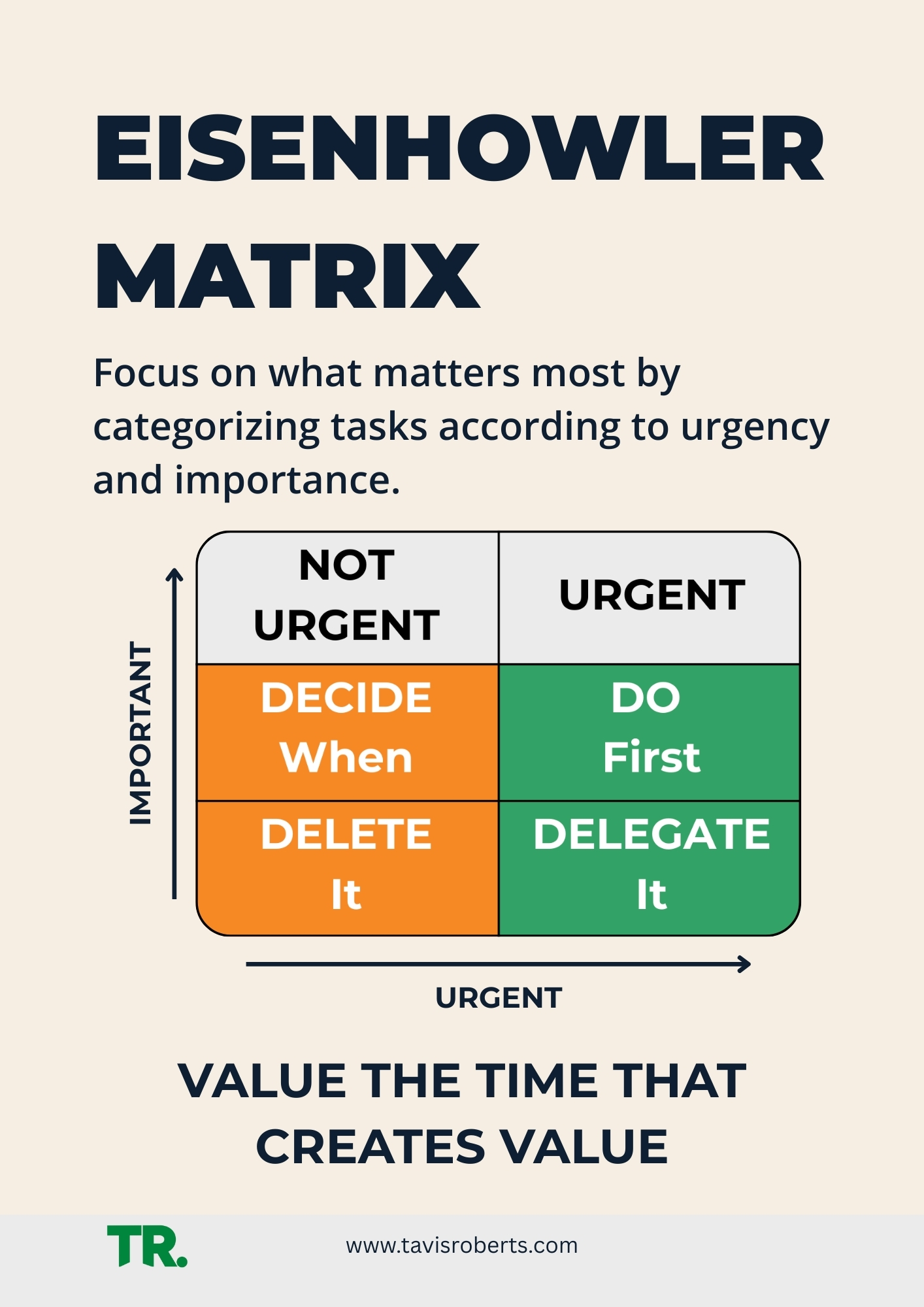
🧠 Mental Model 2: The Eisenhower Matrix
Urgent isn’t the same as important.
Great directors protect strategic time. They separate tasks that scream for attention from those that actually move the needle. Use this matrix:
| URGENT | NOT URGENT | |
| IMPORTANT | DO (Now) | PLAN (SCHEDULE) |
| NOT IMPORTANT | DELEGATE | DELETE |
Look at your calendar this month. How much of it was “urgent but not important”? That’s your burnout zone. Protect the top‑right quadrant—important but not urgent—because that’s where strategy, leadership, and growth live.
Director Activation Challenge
This week, choose one chaotic area. Apply Occam’s Razor to look for the simplest way to fix it. Then map the actions using the Eisenhower Matrix to decide what to do now, plan, delegate, or delete. Keep your matrix visible to remind you where your focus should be.
In a few days, we’ll dive into First Principles Thinking (how to break problems down to their fundamental truths) and Leverage Points (how tiny changes can create outsized results). Until then, simplify ruthlessly, protect your focus, and remember: directors design systems, they don’t react to them.
— Tavis
P.S. Below are printable posters of Occam’s Razor and the Eisenhower Matrix. Put them where you can see them; they’ll remind you to keep things simple and protect your strategic time.