How to Stop Copying and Start Designing
Build From the Ground Up
Hi there,
Most leadership systems are inherited, copied, or put together under pressure. They aren’t designed — they’re tolerated. The result? Bloat, inefficiency, and bottlenecks no one owns or wants to be responsible for. This is where strategic directors separate themselves from operational managers. They don’t just fix broken systems; they ask:
What does this need to be at the core?
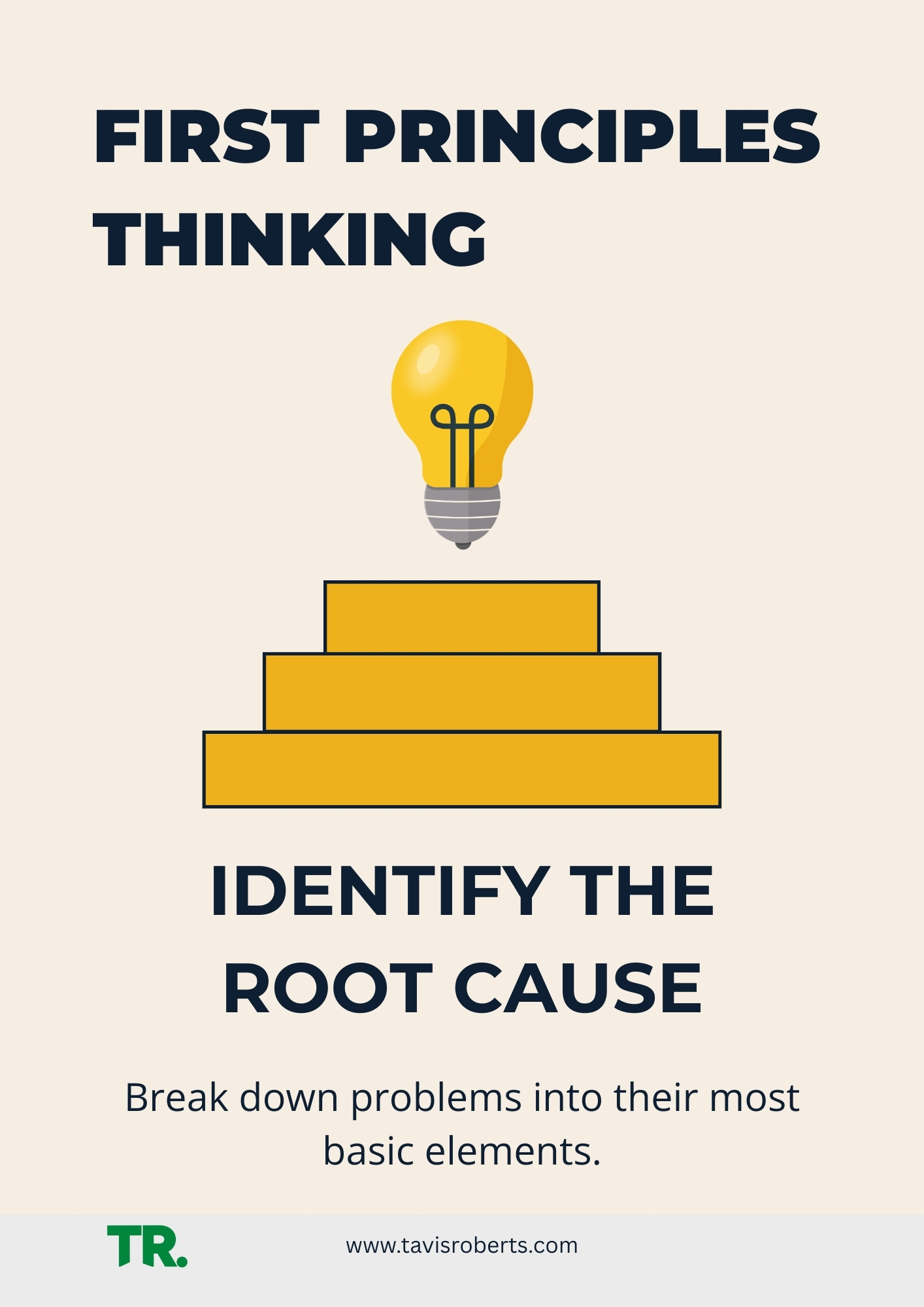
🧠 Mental Model 3: First Principles Thinking
“What are the fundamental truths? And what can I build from there?”
Instead of tweaking an old spreadsheet or copying what another school does, break the problem down to raw inputs and build from zero. It’s uncomfortable at first—but it’s how lasting systems are born.
Real Use Case: School Event System
Most schools run events from memory and emotion. That leads to unclear roles, last‑minute changes and dependency on a few staff members. Here’s how I rebuilt our events from the ground up:
- Define the essence: A school event is a temporary structure that delivers a shared experience with clear objectives.
- List the non‑negotiables: Roles, timeline, budget, space, disruptions, communication, execution, and reflection.
- Design the lightest‑weight system that guarantees those things: A folder framework with templated planning docs, shared checklists, and feedback forms.
Events are easier to scale when they are broken down into their most basic elements.
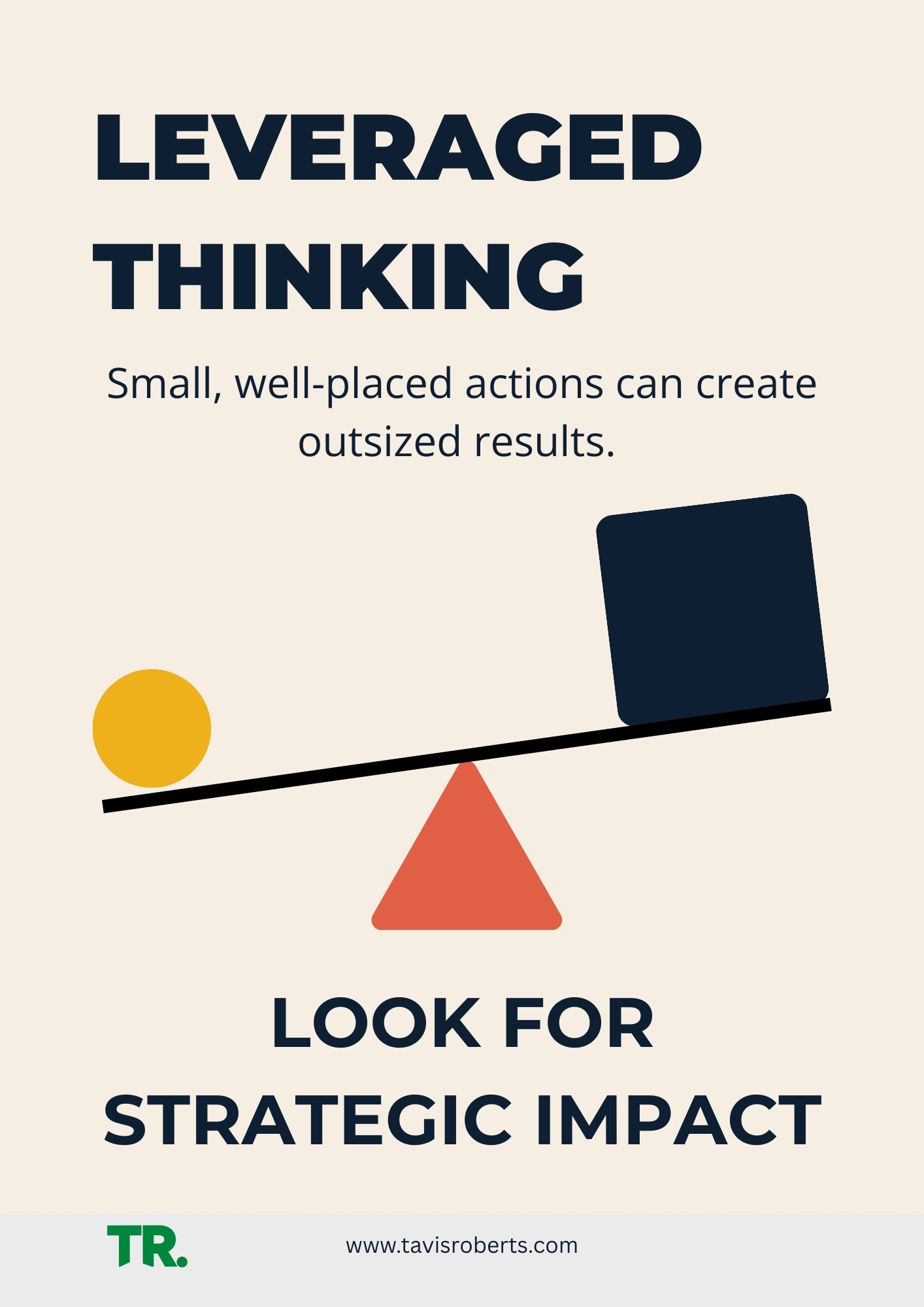
🧠 Mental Model 4: Leverage Thinking (and Points)
“Where can I apply minimal force to create maximum movement?”
Some school leaders fix problems by working harder. Strategic leaders identify the highest leverage point in the system and implement a small change that creates a significant shift. It’s the difference between sending another reminder vs improving your information flow, adding another person vs changing the system’s structure, and complaining about resistance vs shifting the goal or mindset.
High‑Leverage Moves You Can Make:
- ✅ Templatize communication. Use pre‑written emails for event updates, vendor requests, and reminders.
- ✅ Create reusable frameworks. Build folder structures once, use forever.
- ✅ Automate predictable outputs. CCA schedules, event sign‑up forms, post‑event feedback don’t need to be rebuilt each term.
🎯 Your Director Activation Challenge
Pick one process you’re currently inheriting (a recurring event, a sign‑up system, a staff meeting agenda). Strip it down using First Principles:
- Define its core purpose.
- List its essential elements.
- Draft the simplest system that satisfies those elements.
Then identify one small change that could create a big improvement — a template, a reusable structure, or an automation.
🧭 What’s Coming Next
In a few days, we’ll shift from design to influence with Email 3: Influence Without Authority. You’ll learn how Hanlon’s Razor and Second‑Order Thinking help you get the most from peers and cross‑functional teams — even when you don’t have direct control.
Until then, break things down, rebuild simply, and look for the leverage.
— Tavis
P.S. I’ve attached printable posters for First Principles Thinking and Leverage Thinking. Keep them visible to remind yourself that all great systems start with clear fundamentals and high‑impact moves.