How to Lead When You're Not the Boss
Influence Without Authority
Hi there,
You’ve seen how systems thinking, clarity and leverage create structure. But none of those will work if you can’t rally people who don’t report to you. Most school leadership happens without direct authority. You need facilities to approve something urgently, you need homeroom teachers to follow a communications plan, you need colleagues to try something new and departments to care about a system they didn’t build. Strategy alone can’t move people. You need influence.
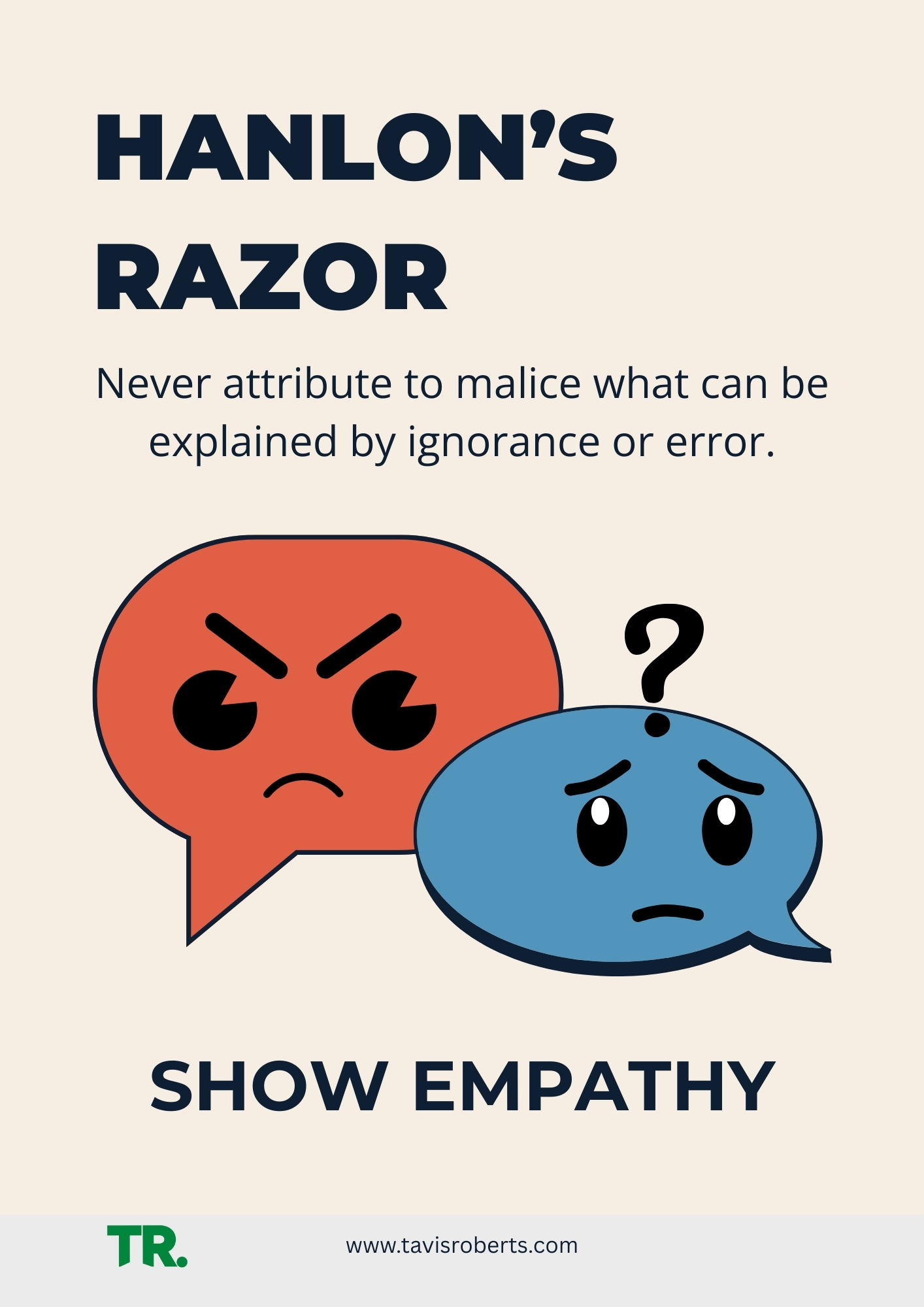
🧠 Mental Model 5: Hanlon’s Razor
“Never attribute to malice that which can be explained by misunderstanding, distraction or overload.”
When your communications are ignored, deadlines slip or buy‑in drops, it’s tempting to assume resistance. But most of the time it’s invisible friction: they didn’t fully understand the ask, had competing priorities you didn’t see or didn’t believe it mattered. The fix isn’t to push harder; it’s to build systems of visibility, clarity and affirmation.
- Use visual explainers instead of long emails.
- Reinforce the purpose behind every request.
- Make contributors feel seen when they do it right.
This approach doesn’t soften expectations—it sharpens your empathy and makes influence easier.
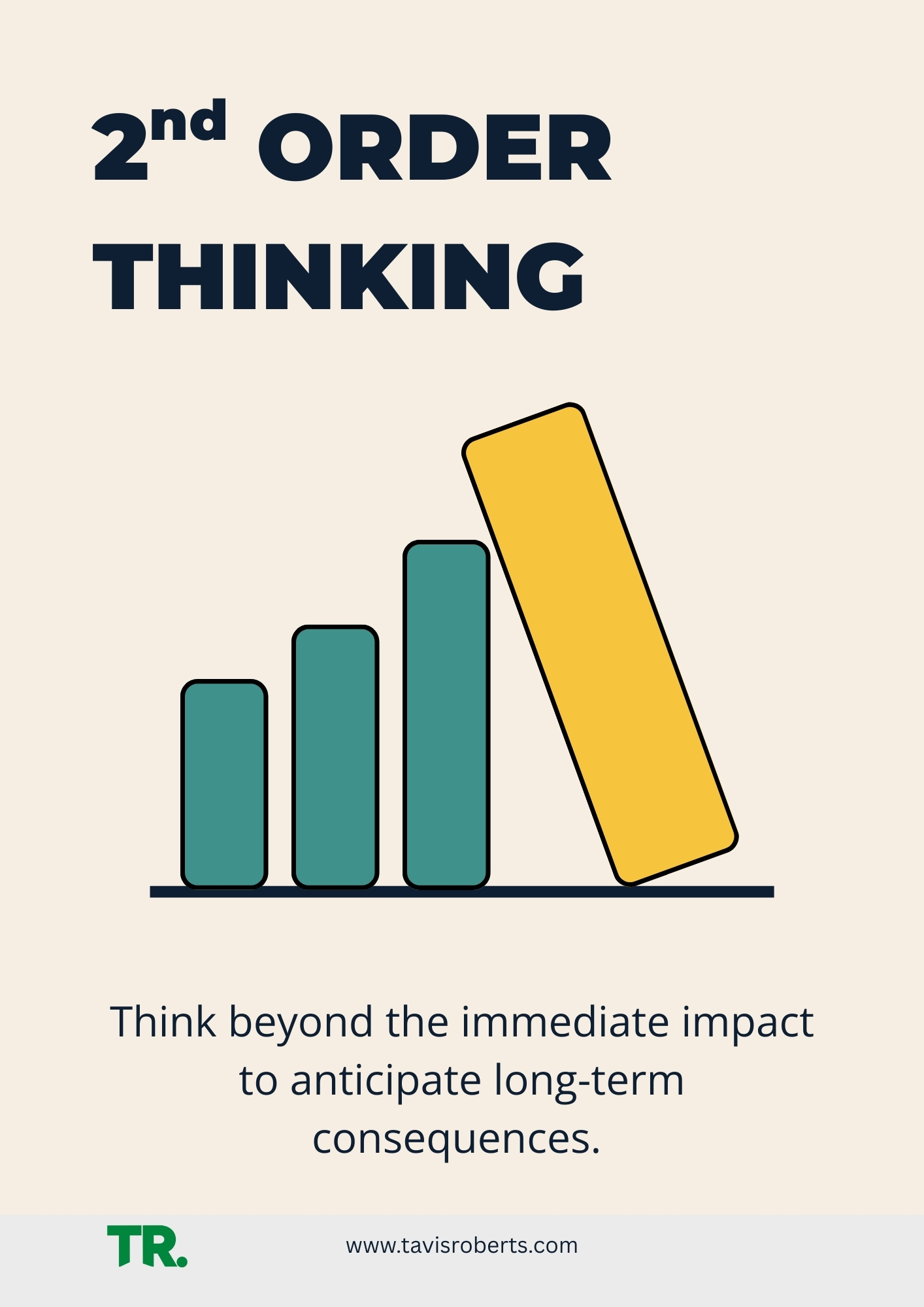
🧠 Mental Model 6: Second‑Order Thinking
“Every action has consequences. And those consequences have consequences.”
Leading through others means the downstream effects of your choices matter more than your intention. Imagine you launch a great digital system, but it increases admin time by 30 minutes per teacher each week. Second‑order effects follow: teachers deprioritize it, accuracy drops, you need to chase data and the system loses credibility. By anticipating these effects, you can build support structures—shortcuts, templates or messaging—that protect engagement without creating more work.
🎯 Practical Soft‑Power Applications
- Over‑communicate clarity: use visuals over text.
- Respect context: time your requests around calendar realities.
- Protect energy: build systems that feel like support, not weights or last-minute band-aids.
- Give credit visibly: make contributors feel like owners.
- Keep commitments visible: shared documents, progress boards and thank‑you walls.
Tie success to theirs: make the outcome relevant to their workload, students and departmental wins.
🔧 Director Activation Challenge
This week, pick one initiative that relies on others—an event, a new tool or policy. Apply Hanlon’s Razor: assume confusion or overload, not resistance. Then use Second‑Order Thinking to predict the downstream effects of your request. Adjust your approach accordingly: simplify your ask, provide a template or time it better. Watch how much smoother things go when you remove invisible friction.
In the next email, we’ll sharpen your judgment with The Map Is Not the Territory and Circle of Competence—so you can see reality clearly and know where to focus your energy.
— Tavis
P.S. Posters for Hanlon’s Razor and Second‑Order Thinking are attached. Stick them near your desk to remind yourself that influence starts with empathy and foresight.