What to Trust When the System Says “All Good” (But It Isn't)
Sharpen Your Strategic Judgment
Hi there,
Leadership is not just about solving problems.
It’s about knowing where your judgment is solid—and where the system might be lying to you.
Until now, we’ve focused on building systems—frameworks that reduce friction and protect energy. But strategic leadership also demands judgment: the ability to see clearly, decide quickly and avoid overreach. Two mental models help you do that. They don’t make decisions for you, but they force better questions at the right moments.
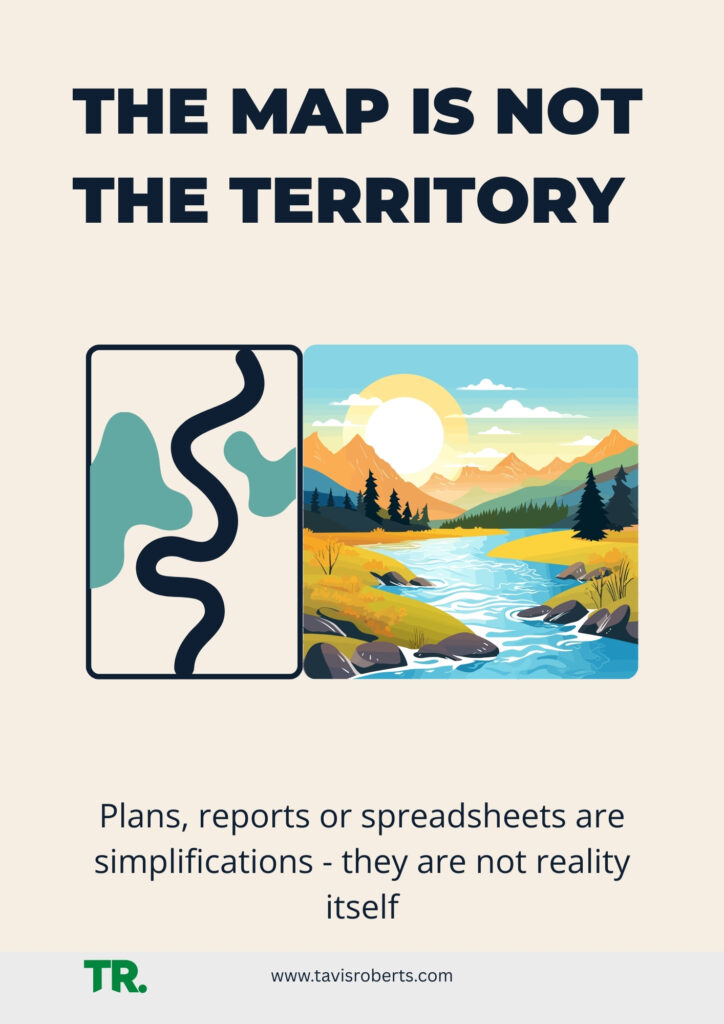
🧠 Mental Model 7: The Map Is Not the Territory
“Your plan, your spreadsheet and your system aren’t the reality— they’re a model of it.”
This shows up everywhere in school operations.
Example 1: The ‘Full’ CCA Program
Your CCA sign‑up sheet shows 100 % enrollment. On paper, it’s a success. But students are confused, parents are emailing and rooms are chaotic. The spreadsheet is the map. The lived experience—the territory—is fractured. Defending the map erodes trust with the people living in the territory.
Example 2: Behavior Tracking Systems
You launch a digital reporting system and incident numbers drop. But teachers are frustrated, disruptive behaviour goes unlogged, minor infractions erode morale and good teachers quietly disengage. The map looks good because it’s not designed for trust, nuance or ease of use. That’s the difference between a map and the territory.
How to apply it:
- Data is useful—but only when it’s checked against reality. Ask: “What’s really happening beneath this number?”
- Walk the halls. Sit in staff debriefs. Talk to the people under pressure.
- When data says “all good” but experience says “this feels off,” dig deeper.
Challenge the map before pushing for compliance. This mindset has saved me from defending “working” systems that were quietly breaking morale.
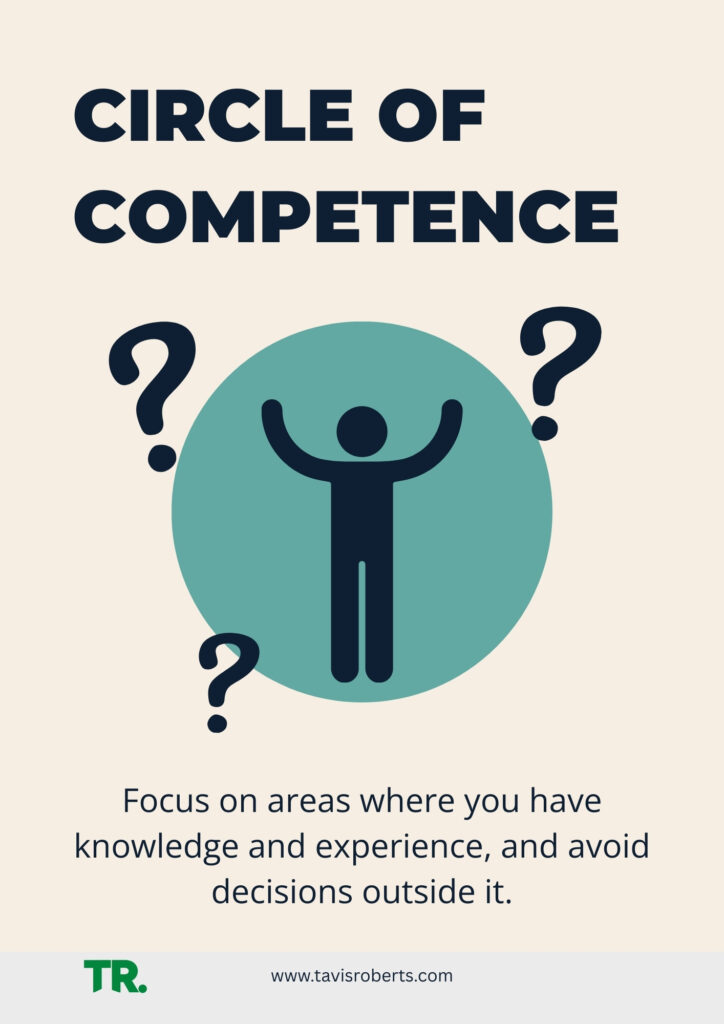
🧠 Mental Model 8: Circle of Competence
“Know your strengths. Delegate where you aren’t strong. Don’t pretend to be an expert on everything.”
Popularised by Warren Buffett, this model reminds leaders to stay within their mental circle. Early on, many Directors feel pressure to prove capability—by being involved in everything, having opinions on every policy and saying yes to every request. It feels like strength but creates confusion, slows progress and blurs ownership.
The shift:
Your job isn’t to know everything. Your job is to ensure the right people are leading the right work—with clarity, direction and consistency. I focus on simplifying systems, structuring information and making chaos easier to manage. I try to leave design and content details to the people who live there daily. That’s not avoidance—it’s focus and precision.
🎯 Director Activation Challenge
This week, look at a part of your work where “the numbers look fine” but something feels off. Walk the territory: talk to staff, observe processes and look for discrepancies. Then identify one area where you’re acting outside your own circle of competence. Decide whether you can delegate it, partner with someone stronger or reduce the scope. Document what you learn.
🧭 What’s Coming Next
In the final email, we’ll zoom out to the broadest level of leadership: Paradigm Thinking (shifting beliefs to change culture) and Meta‑Strategy (building systems that keep working without you). You’re no longer reacting to the day-to-day; you’re beginning to shape how your school sees itself.
— Tavis
P.S. Printable posters for The Map Is Not the Territory and Circle of Competence are below. Keep them visible to remind yourself that data isn’t reality, and your strengths are worth protecting.