Why Changing the System Might Not Be Enough
Shift the Lens, Not Just the System
Hi there,
The highest level of leadership doesn’t fix systems.
It reshapes what people believe the system is for.
As you move into more senior cross‑functional leadership, you realize clarity isn’t just tactical—it’s cultural. You can build a system, define roles, automate steps and run a clean operation. But if the paradigm behind that system doesn’t support it, your work will always feel like pushing uphill. Strategic directors separate themselves here: they don’t just adjust process; they reshape the lens through which people interpret their work.
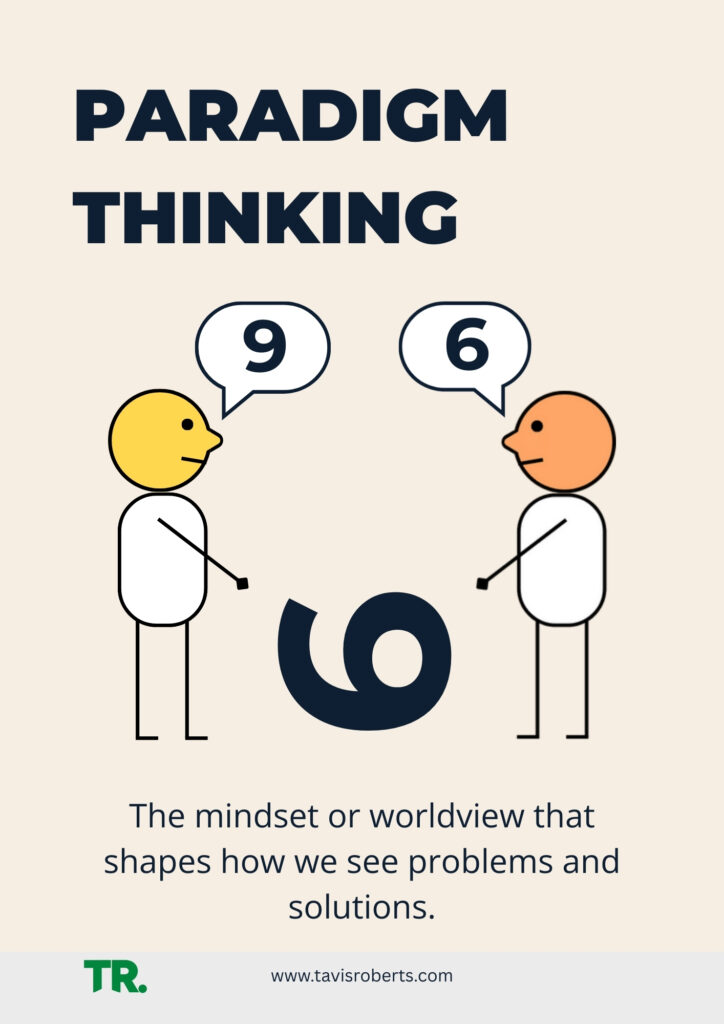
🧠 Mental Model 9: Paradigm Thinking
“To change a system sustainably, change what people believe it’s for.”
Donella Meadows called this one of the highest leverage points in any system. In schools, you see paradigm misalignments when staff say, “This event feels like just another task,” teachers ask, “Why are we doing it this way again?” or students say, “I didn’t even know why that mattered”. Those aren’t execution problems; they’re meaning problems.
Example: School Events
If your paradigm is “events are for student entertainment and marketing,” you’ll get decoration, stress and burnout. But if you shift the belief to “events are part of student development, leadership and global citizenship,” everything changes:
- Student‑led booths
- Teacher pride in the quality of work
- Community buy‑in
Same logistics. New lens. That’s a paradigm shift.
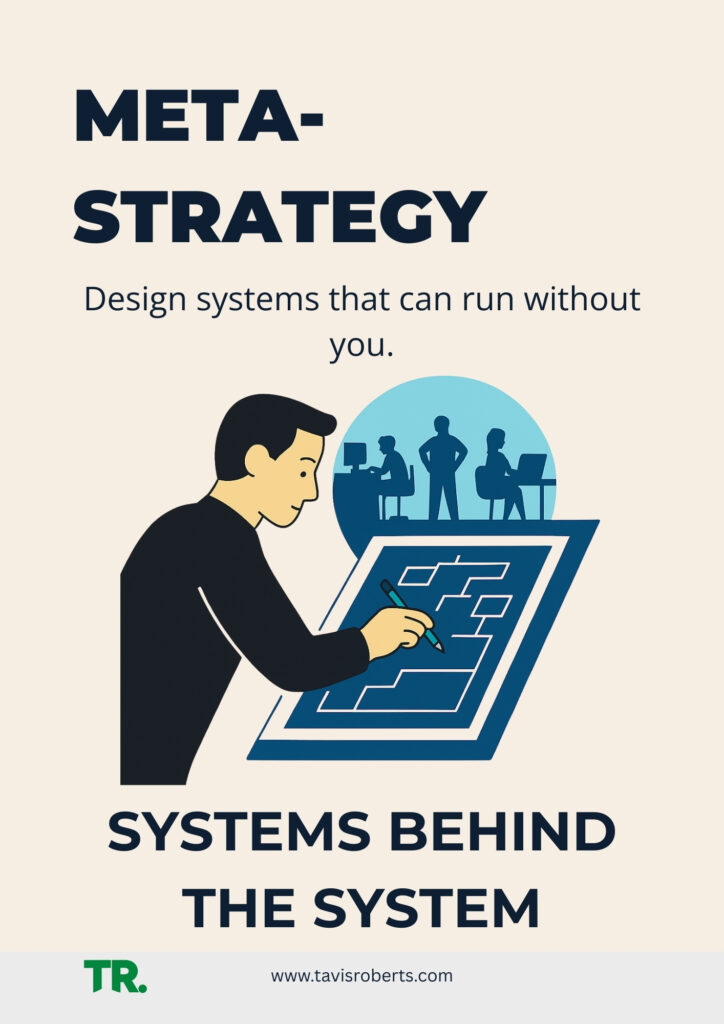
🧠 Mental Model 10: Meta‑Strategy
“Build models that work without you.”
A strategy is how you achieve a goal. A meta‑strategy is how you ensure the next person can achieve it too. This is how you create a scalable legacy instead of endless maintenance. It shows up when you:
- Create templates instead of reinventing
- Build shared drives instead of hoarding resources
- Name systems clearly so others understand their function
- Document decisions and rationale for handover
Your impact compounds when your absence doesn’t create chaos.
🎯 Director Activation Challenge
Paradigm audit: Pick one recurring process. Ask: What do people believe this is for? Is the belief aligned with what you want it to achieve? If not, rewrite the narrative and communicate it clearly before the next cycle.
Meta‑strategy move: Choose one area where you’re still reinventing the wheel. Create a template, shared drive or simple SOP that someone else could pick up without you. Then share it and let it go.
🧭 What’s Coming Next
In a few days, I’ll send you a full summary of all the mental models, with a downloadable recap. You’re built the mindset; next, you decide what to build with it.
— Tavis
P.S. Posters for Paradigm Thinking and Meta‑Strategy are below. Put them somewhere visible to remind yourself that the real leverage is in beliefs and legacy.